

The best inshore lure in Texas is not always the best lure for the same day in Florida, Georgia or North Carolina. The fish overlap, but the water does not. Depth, grass, oysters, tidal range, water clarity and the dominant bait can change dramatically as you move around the Gulf Coast and up the Atlantic.
That is why this guide is organized by state. Instead of naming one lure and pretending it works everywhere, we will look at the best lure types for the most common inshore situations from Texas through coastal Virginia, then match those presentations to current Fish Strong lures.
One important rule before we start: state lines matter less than water depth and presentation. A shallow grass flat in Texas can fish more like a Florida flat than a deep Texas channel 10 miles away. Use the state recommendations below as a starting point, then adjust for the water directly in front of you.
If you wanted one small lure box that could cover most Gulf and Southeast Atlantic inshore trips, start with a 4-inch paddletail, shrimp imitation, topwater and subsurface twitchbait. Those four presentations let you cover shallow grass, marsh edges, oyster points, docks, creeks, potholes and deeper feeding zones without carrying dozens of lure styles.
Texas • Louisiana • Mississippi • Alabama • Florida • Georgia • South Carolina • North Carolina • Virginia
Best Inshore Lures by State: Quick Guide
| State / Coast | Common Targets | Best Starting Lures | Fish Strong Picks |
|---|---|---|---|
| Texas | Redfish, trout, flounder | Paddletail, topwater, twitchbait | Mulligan, Moonwalker, Flea Flicker |
| Louisiana | Redfish, trout, flounder | Shrimp, paddletail, wakebait | Prawn, Mulligan, Wake Mullet |
| Mississippi | Redfish, trout, flounder | Paddletail, shrimp, topwater | Mulligan, Prawn, Moonwalker |
| Alabama | Redfish, trout, flounder | Paddletail, shrimp, shallow plug | Mulligan, Prawn, Skinny Lipper |
| Florida Gulf | Redfish, trout, snook, flounder | Topwater, wakebait, paddletail, shrimp | Moonwalker, Wake Mullet, Mulligan, Prawn |
| Florida Atlantic | Redfish, trout, snook, flounder | Twitchbait, topwater, shrimp, paddletail | Flea Flicker, Moonwalker, Prawn, Mulligan |
| Georgia | Redfish, trout, flounder | Shrimp, paddletail, soft jerkbait | Prawn, Mulligan, Tweaker |
| South Carolina | Redfish, trout, flounder | Shrimp, paddletail, topwater | Prawn, Mulligan, Moonwalker |
| North Carolina | Red drum, trout, flounder | Larger paddletail, twitchbait, topwater | Mulligan 5 Bomber, Flea Flicker, Moonwalker |
| Virginia | Speckled trout, red drum, flounder | Paddletail, twitchbait, topwater | Mulligan, Flea Flicker, Moonwalker |
One Lure Box for Multiple States
One of the most useful ways to think about inshore tackle is by presentation instead of location. You need something to cover water, something for the surface, something that can slow down below the surface, and something that imitates shrimp or other bottom-oriented forage.
That is also why a traveling angler does not need an entirely different tackle box every time they cross a state line.
Best Inshore Lures for Texas
Texas inshore fishing ranges from shallow grass and marsh to oyster shell, bay systems and deeper channels. Redfish, speckled trout and flounder make versatility more important than having a lure that only works in one narrow situation.
Texas Starting Lineup
- Paddletail: A 4-inch paddletail can cover grass, shell and open bay flats. The Mulligan 4-inch Paddletail is a strong all-around option.
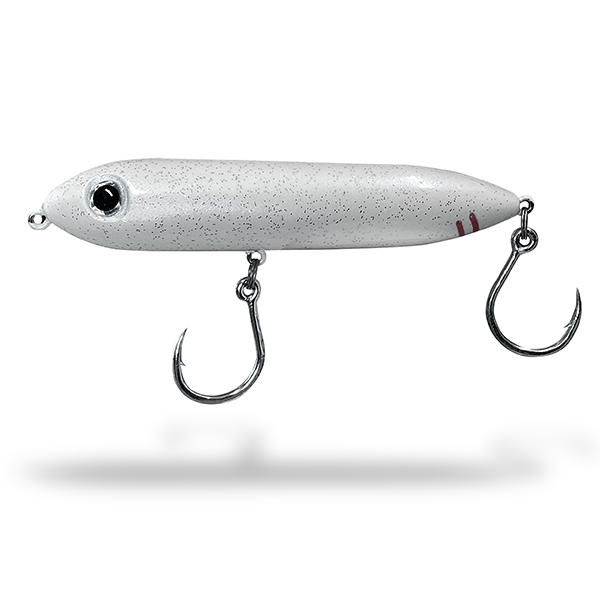
- Topwater: When fish are feeding near the surface, the Moonwalker gives you a walk-the-dog presentation that can cover a lot of water.
- Subsurface twitchbait: When trout or redfish want something slower, use a twitch-and-pause presentation like the Flea Flicker.
Best overall Texas starting point: the paddletail because you can change the rigging and weight to fish everything from skinny grass to deeper channels.
Best Inshore Lures for Louisiana
Louisiana's marshes make shallow-water versatility especially important. Grass, broken marsh edges, drains and stained water create ideal situations for shrimp profiles, paddletails and shallow-moving baits.
- Shrimp imitation: The Prawn Original works well when you want a slower shrimp-style presentation around drains, points and marsh edges.
- Paddletail: Use the Mulligan when you need to cover water and locate active fish.
- Wakebait: In extremely shallow water, the Wake Mullet lets you work right near the surface with a baitfish profile.
Around grass and snaggy marsh structure, rigging can be just as important as lure choice. See our weighted weedless hooks vs. jigheads guide for more on choosing the right setup.
Best Inshore Lures for Mississippi
Mississippi anglers fish bays, marshes, river-influenced water and barrier-island areas where water clarity can change quickly. A simple three-lure rotation covers a lot of those situations.
- Search bait: Mulligan 4-inch Paddletail
- Slower presentation: Prawn Original
- Surface presentation: Moonwalker
Start with the paddletail when you are searching. Slow down with the Prawn when fish are relating closely to shell, drains or bottom structure. Move to topwater when you see active surface feeding.
Best Inshore Lures for Alabama
Alabama's coast combines Mobile Bay, marsh, river influence and open Gulf water. Redfish, speckled trout and flounder can all be targeted with a compact group of shrimp and baitfish profiles.
- All-around paddletail: Mulligan
- Shrimp profile: Prawn Original
- Shallow hard plug: Skinny Lipper
The Skinny Lipper fills the gap between a pure topwater and a deeper-running hard bait when you need to stay high over shallow cover.
Best Inshore Lures for Florida
Florida really needs two sections. Gulf Coast and Atlantic Coast anglers target many of the same fish, but habitat, water clarity, tidal flow and forage can be different enough that one statewide recommendation becomes too generic.
Florida Gulf Coast
From the Panhandle and Big Bend through the west coast of Florida, shallow grass, potholes, mangrove shorelines, oyster areas and open flats make depth control especially important.
- Very shallow: Wake Mullet
- Surface: Moonwalker
- Search bait: Mulligan
- Shrimp presentation: Prawn Original
Florida Atlantic Coast
On Florida's Atlantic side, lagoons, mangrove systems, inlets and coastal rivers provide opportunities for redfish, speckled trout, snook, flounder and other predators.
- Subsurface hard bait: Flea Flicker
- Topwater: Moonwalker
- Shrimp: Prawn Original
- Paddletail: Mulligan
If shrimp are a major part of the forage where you fish, see our full shrimp lure guide for redfish, trout and snook.
Best Inshore Lures for Georgia
Georgia's tidal creeks, oyster banks and marsh grass make precise presentations around structure especially important. Current and large tidal changes can also make lure weight a major part of the equation.

- Shrimp imitation: Prawn Original
- Paddletail: Mulligan
- Soft jerkbait: Polk County Tweaker
In stronger tidal current, try adjusting lure weight before constantly changing lure styles. Keeping your lure at the depth where fish are feeding often matters more.
Best Inshore Lures for South Carolina
South Carolina's redfish, trout and flounder fisheries center heavily around marsh grass, creek mouths, oyster structure and moving tides.
- Marsh and creek edges: Prawn Original
- Covering flats and points: Mulligan
- Surface feeding: Moonwalker
As the tide changes, change your depth and retrieve with it. A lure that worked beside flooded grass at high tide may need to be presented very differently after that water drains into a creek.
Best Inshore Lures for North Carolina
North Carolina adds more inlet, sound and open-water influence while still offering marsh and protected creek fishing. Red drum, speckled trout and flounder remain major inshore targets.
- Larger baitfish profile: Mulligan 5-inch Bomber
- Subsurface twitchbait: Flea Flicker
- Topwater: Moonwalker
When the available bait is smaller or you are fishing tight marsh water, step back down to a 4-inch paddletail or shrimp profile instead of forcing a larger bait.
Best Inshore Lures for Virginia
Coastal Virginia and the lower Chesapeake sit near the northern edge of the redfish-and-speckled-trout fisheries covered in this guide. Baitfish profiles become increasingly important, but paddletails, twitchbaits and topwaters remain highly versatile presentations.
- Versatile search bait: Mulligan 4-inch Paddletail
- Subsurface hard bait: Flea Flicker
- Surface lure: Moonwalker
Once you move significantly farther north, the species mix changes enough that striped bass, bluefish and fluke deserve their own Northeast lure guide rather than simply extending this list.
4 Lures That Cover Most of the Coast
If you travel between states, think about covering different presentations instead of carrying ten lures that all do essentially the same job.
 Mulligan
 Prawn Original
 Moonwalker
 Flea Flicker
The Mulligan covers water with a paddletail, the Prawn gives you a shrimp presentation, the Moonwalker covers the surface, and the Flea Flicker gives you a slower subsurface twitch-and-pause option.
Cover the surface, shallow water, moving bait and slower subsurface presentations. Then adjust your weight, depth and color for the conditions where you fish.
SHOP SALTWATER LURESHow to Choose Lure Color From Texas to Virginia
Do not assign one lure color to an entire state. Water clarity, sunlight, forage and fishing pressure can change dramatically within the same bay or estuary.
A more useful approach is to keep a natural baitfish or shrimp color for general use, a brighter or higher-contrast option when visibility is reduced, and a darker profile when you want a stronger silhouette.
For more on darker profiles, read our guide on when to use black fishing lures.
What Matters More Than the State You Fish?
The state name helps point you toward the right lure categories, but these five things should make the final decision:
- Depth: Are fish on the surface, just below it or near the bottom?
- Cover: Grass, oysters, docks and timber can make weedless rigging important.
- Current: Stronger flow may require more weight to keep your lure in the strike zone.
- Forage: Match the general size and profile of the bait predators are feeding on.
- Fish activity: Use faster search baits for active fish and slower presentations when fish are reluctant to chase.
That is why the same paddletail can be one of the best inshore lures in Texas, Louisiana, Florida and the Carolinas while being rigged completely differently in each location.
Final Takeaway
The best inshore fishing lures by state are actually less different than many anglers expect. Across the Gulf Coast and Southeast Atlantic, the same core presentations keep appearing: paddletails, shrimp imitations, topwaters, jerk-style soft plastics and subsurface twitchbaits.
What changes from Texas to Louisiana, Florida, Georgia and the Carolinas is how you rig those lures, how deep you fish them and which profile matches the local forage.
Start with a small number of presentations that cover different parts of the water column. Learn what each lure does well. Then let the fish and the conditions tell you which one should come out of the box.
Best Inshore Lures by State FAQs
What are the best lures for Gulf Coast inshore fishing?
Paddletails, shrimp imitations, topwaters and shallow hard baits cover most Gulf Coast situations. Choose the exact lure based on depth, grass or structure, current and the bait present.
What are the best lures for East Coast inshore fishing?
From Florida through the Carolinas and coastal Virginia, paddletails, shrimp imitations, topwaters, soft jerkbaits and subsurface twitchbaits are versatile choices.
What is the best lure for redfish?
A weedless paddletail is one of the most versatile redfish lure styles because it can cover shallow grass, marsh edges and open flats. Shrimp imitations are another useful option around structure and bottom-oriented feeding zones.
What is the best lure for speckled trout?
Paddletails, topwaters and subsurface twitchbaits are all strong speckled trout presentations. Choose based on the depth where trout are feeding and how actively they are chasing bait.
What are the best lures for Florida inshore fishing?
Florida anglers should carry at least a paddletail, shrimp imitation and surface lure. A shallow hard bait or subsurface twitchbait adds another useful presentation for redfish, trout and snook.
Can the same lures work in Texas, Florida and the Carolinas?
Yes. Many of the same core lure types work across the Gulf and Southeast Atlantic. What changes most is rigging, weight, retrieve speed, water depth and lure color.
Should I use topwater or soft plastics for inshore fishing?
Carry both. Topwaters cover fish feeding near the surface, while soft plastics can be rigged to fish from very shallow water all the way down to deeper structure.
What lure color should I use for inshore saltwater fishing?
Start with a natural baitfish or shrimp color and adjust contrast based on water clarity, sunlight and forage. Brighter or higher-contrast colors can help in reduced visibility, while darker profiles create a strong silhouette.